Understanding Surfboard Shapes & Volume
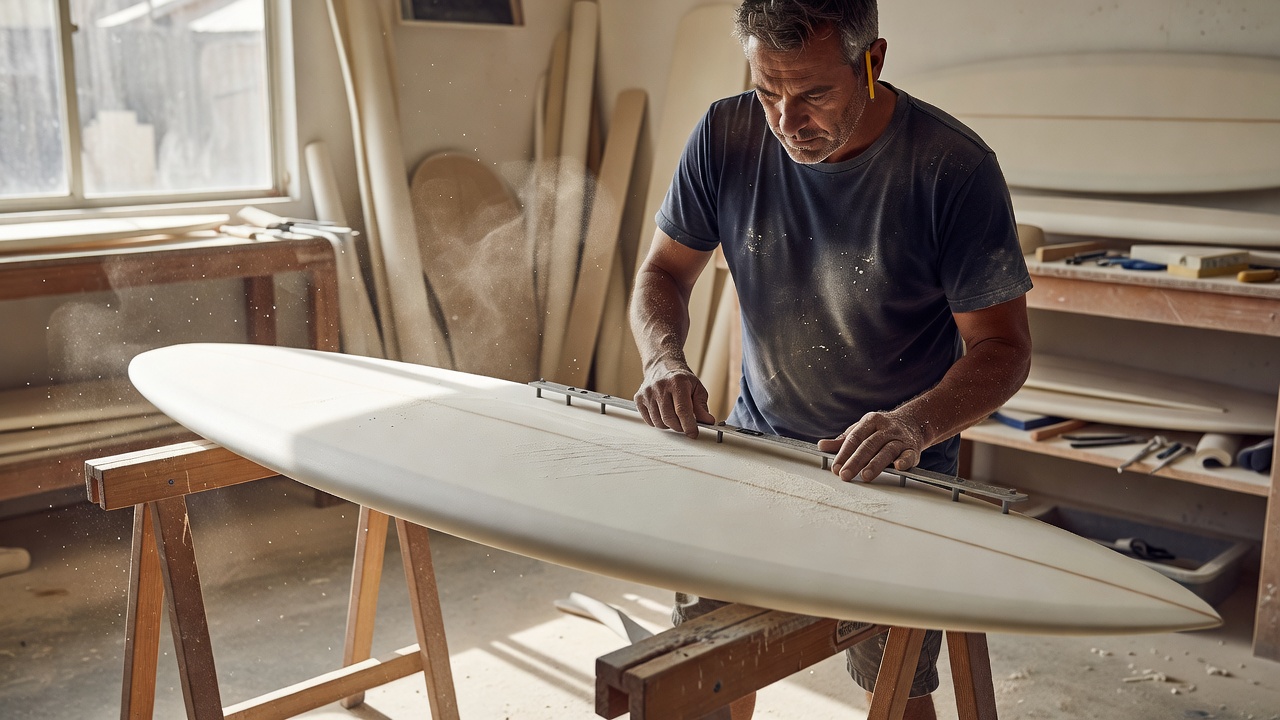
Choosing the right surfboard is arguably the single most important decision a surfer makes. Your board dictates how easily you paddle, how early you catch waves, and how you maneuver once you're on your feet. It serves as the vital connection between your body and the dynamic energy of the ocean.
In this guide, we break down the most common surfboard shapes, explore the critical metric of board volume, and help you understand how different design elements affect performance.
The Role of Volume in Surfing
Historically, surfboards were measured primarily by length, width, and thickness. While these dimensions remain important, modern surfboard shaping leans heavily on volume—measured in liters (L). Volume is essentially the amount of space a surfboard occupies, which directly translates to its buoyancy.
- High Volume: Floats higher in the water, paddles faster, and catches waves earlier. Excellent for beginners, heavier surfers, or weak, mushy wave conditions.
- Low Volume: Sinks slightly deeper into the water, offering greater sensitivity and control at high speeds. Ideal for advanced surfers and powerful, steep waves.
Calculating your ideal volume involves your body weight, fitness level, and surfing ability. A beginner might ride a board with 60–80 liters to ensure stability, whereas an experienced shortboarder might ride a 25–30 liter board for aggressive turns.
Primary Surfboard Shapes
The Longboard
Usually ranging from 8 to 10+ feet, longboards are the traditional foundation of surfing. They boast massive volume, wide rounded noses, and broad tails. This design makes them incredibly stable and allows surfers to catch waves when they are barely forming.
Longboarding encourages a smooth, gliding style. Advanced longboarders often practice "cross-stepping" to the nose of the board to perform a "hang ten" maneuver. If you are learning to surf, a foam longboard is the universal recommendation due to its safety and high wave-catching ability.
The Shortboard
Shortboards are high-performance machines designed for speed, vertical surfing, and rapid directional changes. Generally ranging from 5'6" to 6'4", they feature a sharp, pointed nose (to reduce swing weight and prevent pearling on steep drops) and significantly less volume than other shapes.
Because they lack buoyancy, shortboards require excellent paddle fitness and a precise understanding of wave positioning. They are strictly recommended for intermediate to advanced surfers who are surfing steep, clean waves.
The Fish
The "Fish" is an iconic design characterized by its short length, wide outline, thick profile, and distinctive swallowtail. Often ridden with a twin-fin setup, the fish shape was pioneered to go fast in smaller, slower waves.
The wide tail provides excellent planing speed, allowing surfers to glide over flat sections of a wave. The swallowtail offers control by providing two distinct pivot points when transitioning from rail to rail. It’s an excellent addition to any surfer’s quiver for those fun, waist-high summer days.
The Funboard / Mid-Length
Sitting squarely between the shortboard and the longboard, funboards (or mid-lengths) generally range from 7'0" to 8'0". They blend the easy paddling and wave-catching ability of a longboard with the maneuverability of a shorter board.
This shape is the perfect stepping stone for beginners looking to size down from their initial longboard, or for experienced surfers seeking a relaxed ride when the waves aren't powerful enough for a standard shortboard.
Anatomy of a Surfboard: Key Features
Beyond the general outline, specific elements of a surfboard's anatomy drastically alter its feel in the water:
- Rocker: The upward curve of the board from nose to tail. A flat rocker equals more speed but less maneuverability. A heavy "banana" rocker fits into hollow waves better but paddles slower.
- Rails: The edges of the board. "Soft" or rounded rails provide a forgiving, smooth ride. "Hard" or sharp rails bite into the wave face for aggressive turns.
- Tail Shape: A squash tail offers a balance of speed and control; a pin tail holds tight in massive surf; a swallow tail provides dual pivot points for loose, fast surfing.
Conclusion
There is no "perfect" surfboard—only the right surfboard for your current skill level and the specific wave conditions you are surfing. As you progress, experimenting with different shapes, lengths, and volumes is one of the most enjoyable aspects of the surfing lifestyle. Start with plenty of volume to master the fundamentals, and gradually explore narrower outlines as your technique improves.