Wetsuit Thickness & Temperature Guide
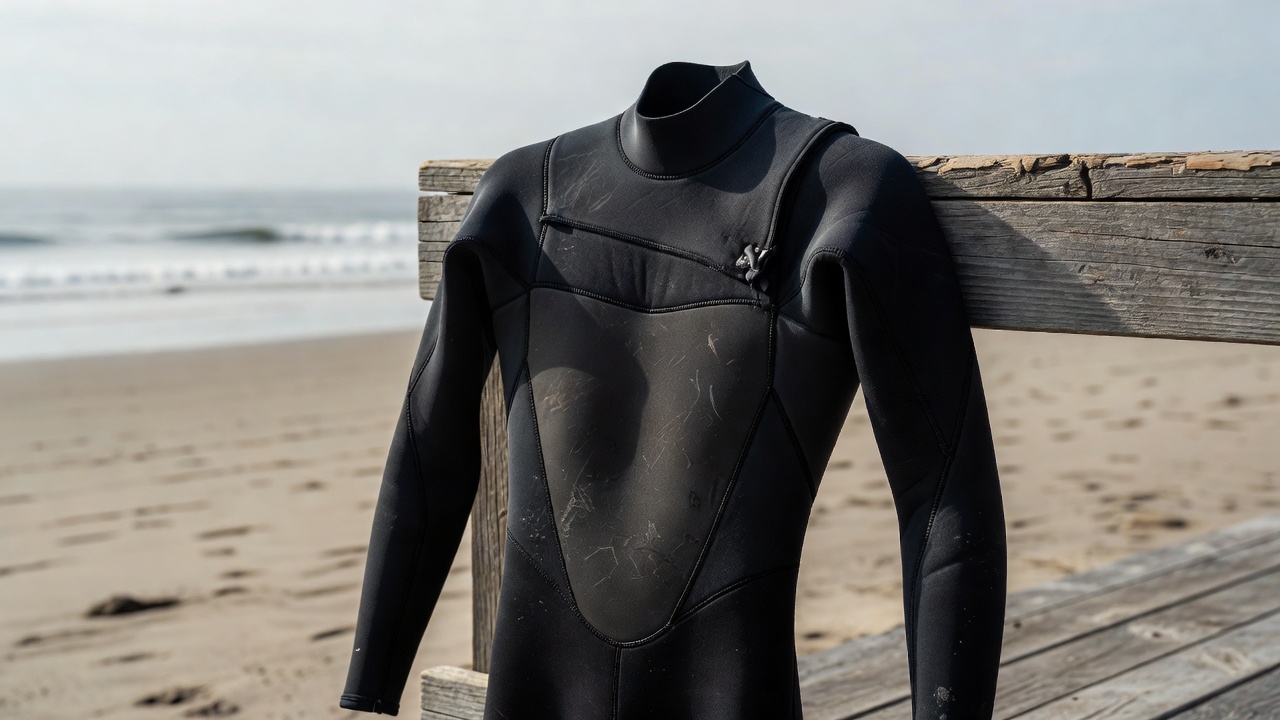
Surfing isn't constrained to tropical paradises. With modern wetsuit technology, surfers can paddle out in almost freezing temperatures, surrounded by snow-covered beaches. However, choosing the wrong wetsuit can quickly turn a dream session into a miserable test of endurance against hypothermia.
Understanding how wetsuits work—trapping a thin layer of water against your skin that your body heat warms up—is key to choosing the right gear. Wetsuits are primarily categorized by the thickness of their neoprene (measured in millimeters) and how their seams are constructed.
Reading Wetsuit Thickness
Wetsuit thickness is usually expressed as a ratio, such as 3/2mm or 4/3mm. The first number represents the thickness of the neoprene around the torso and core, where you need the most warmth to protect your vital organs. The second number denotes the thickness in the arms and legs, where you need flexibility for paddling and popping up.
Water Temperature Guide
While personal cold tolerance varies, the general industry guidelines for matching water temperature to wetsuit thickness are as follows:
| Water Temp (°C / °F) | Wetsuit Type & Thickness | Recommended Accessories |
|---|---|---|
| 22°C+ / 72°F+ | Boardshorts, Swimsuit, or 1-2mm Springsuit | Rash guard (for UV protection) |
| 18°C - 21°C / 65°F - 71°F | 2mm or 3/2mm Fullsuit | None |
| 14°C - 17°C / 58°F - 64°F | 3/2mm or 4/3mm Fullsuit | Optional 3mm booties |
| 10°C - 13°C / 50°F - 57°F | 4/3mm or 5/4mm Fullsuit | 3mm-5mm booties, optional hood/gloves |
| Below 9°C / 49°F | 5/4mm or 6/5mm Hooded Fullsuit | 5mm-7mm booties, 3mm-5mm gloves |
Seam Construction Matters
A wetsuit is only as warm as its seams. Even thick neoprene will fail to keep you warm if cold water flushes through poorly sealed stitching. There are three main types of seam construction:
- Flatlock Stitching: Common on cheaper or warm-water suits. The panels overlap and are stitched together. This creates a highly durable seam, but needle holes go entirely through the neoprene, allowing water to pass freely. Excellent for 2mm summer suits, terrible for winter.
- Glued and Blind-Stitched (GBS): The standard for cold-water surfing. Neoprene panels are glued together, then stitched halfway through the material on the inside. Since the needle never completely penetrates the neoprene, water leakage is drastically reduced.
- Taped / Liquid Sealed Seams: Found on high-end winter suits. A GBS seam is reinforced internally with neoprene tape or externally with a liquid rubber compound. This creates a 100% waterproof seal, trapping heat incredibly efficiently.
Entry Systems
How you get into the suit also affects its warmth and flexibility:
- Back Zip: The traditional entry. Easiest to put on and take off, but the long zipper reduces back flexibility and can allow cold water to flush down the spine if not fitted with a secure internal barrier.
- Chest Zip: A shorter zipper across the upper chest. Harder to get into, but offers far superior shoulder flexibility for paddling and significantly reduces water flushing.
- Zip-Free: The ultimate in flexibility. Relies on overlapping layers of hyper-stretch neoprene around the neck. Ideal for performance but can stretch out over time if not handled carefully.
Accessories for the Extreme Cold
When the water drops below 12°C (54°F), protecting your extremities becomes essential. You lose a tremendous amount of heat through your head, and numb hands and feet make paddling and popping up nearly impossible.
Booties: Available in round-toe or split-toe designs. Split-toe booties prevent your foot from sliding around inside the boot, offering better board feel. Thickness ranges from 3mm to 7mm.
Gloves and Mitts: Five-finger gloves offer better dexterity, but "lobster claws" or full mittens keep your fingers together, generating much more shared body heat.
Conclusion
Investing in a well-fitting, appropriately thick wetsuit transforms winter surfing from a localized endurance test into a joyful pursuit. Remember to rinse your suit in fresh, cold water after every session and hang it in the shade to dry—this preserves the neoprene's stretch and thermal properties for seasons to come.